
Heat is the single biggest danger your dog faces on the big lap. Australia gets brutally hot, and dogs cool themselves far less efficiently than we do, mostly by panting, which stops working once the air around them is hot enough. A dog can go from uncomfortable to a genuine emergency frighteningly fast, and out here the nearest vet might be hundreds of kilometres away. Getting your heat gear sorted isn’t a nice-to-have, it’s the most important kit on this whole guide.
This roundup covers everything that keeps a dog cool and safe through an Australian summer or a push through the tropical north: the monitor that warns you before the van turns into an oven, the beds, mats, and wearables that pull heat away, sun protection for the bits that burn, and the water gear to keep them hydrated. Start at the top, because the first product is the one that matters most.
Heat Monitoring: The One That Matters Most
If you buy one thing off this entire guide, make it a temperature monitor. A parked van or vehicle heats up far faster and far higher than people expect, and a dog left inside even briefly on a warm day is in real danger. The whole point of this device is that you find out before it becomes an emergency, not after.
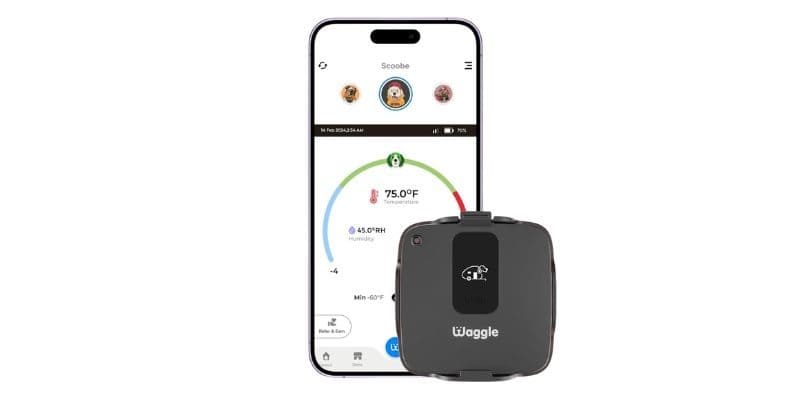
✔ Pros
- Early warning before it’s an emergency
- Peace of mind when the dog’s in the van
- Set your own alert threshold
✗ Cons
- Needs mobile coverage to alert
- Subscription required
- Not a substitute for good judgement
A parked vehicle can become lethal within minutes, even with the windows down and even on a day that doesn’t feel that hot to you. Never leave your dog in a parked car or closed van in warm weather, full stop. Know the signs of heatstroke: heavy frantic panting, drooling, bright red gums, vomiting, wobbliness, and collapse. If you suspect heatstroke, move your dog to shade, wet them with cool (not ice-cold) water, offer small sips, and get to a vet immediately. It is a true emergency.
Cooling Beds & Mats
A cooling surface gives your dog somewhere to dump heat when they lie down, which is most of the day in summer. The best options need no power at all, which matters when you’re off-grid and your battery is busy running the fridge. Give your dog the choice of cool surface or normal bed, and they’ll move between them as they need to.
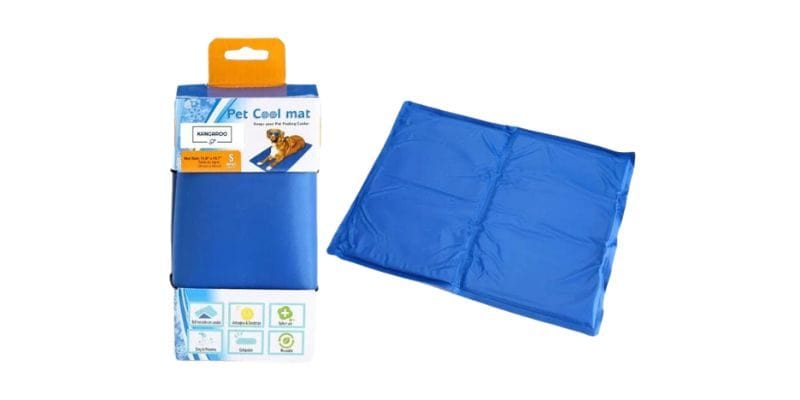
✔ Pros
- No power, water, or freezer needed
- Recharges on its own
- Rolls up for easy storage
✗ Cons
- Cools by contrast, not refrigeration
- Some chewers puncture the gel
- Size up for big dogs
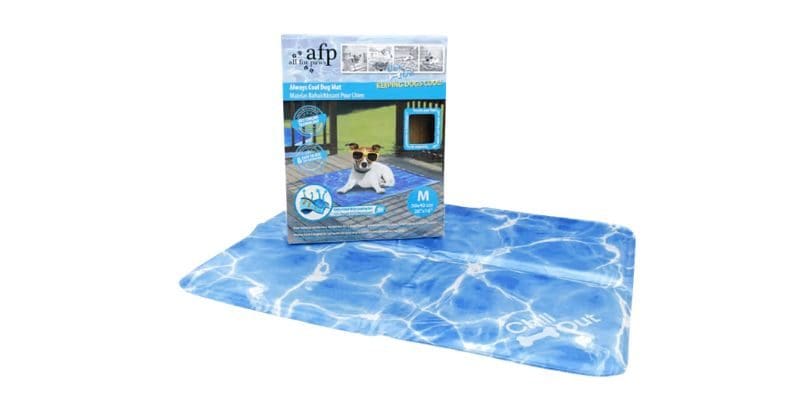
Worth knowing: the elevated trampoline bed from our winter warmth guide earns its keep in summer too. Lifting your dog off the hot ground lets air flow underneath, which is cooling in its own right, and a gel mat on top of it makes a great hot-weather bed. One bed, both seasons.
Wearable Cooling
When your dog is up and moving, a wet cooling wearable keeps them cool through evaporation, the same way sweat cools us. Soak it, wring it out, put it on, and as the water evaporates it pulls heat away. Re-wet it through the day. Simple, effective, and great for walks, markets, and active days in the heat.
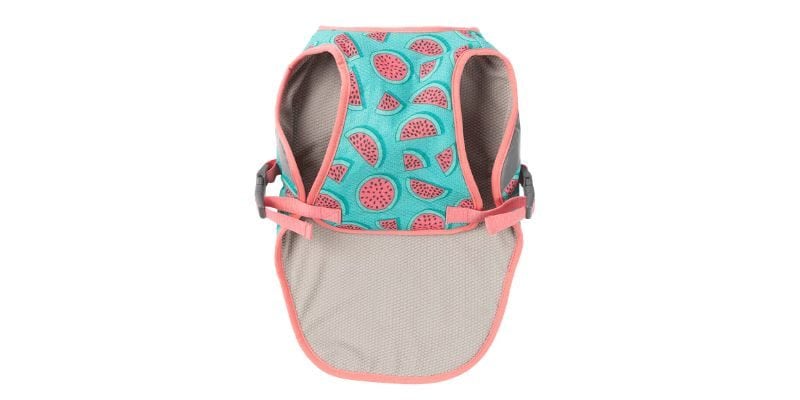
✔ Pros
- Covers more than a bandana
- No power or ice needed
- Comfortable, lightweight fit
✗ Cons
- Needs re-wetting through the day
- Less effective in high humidity
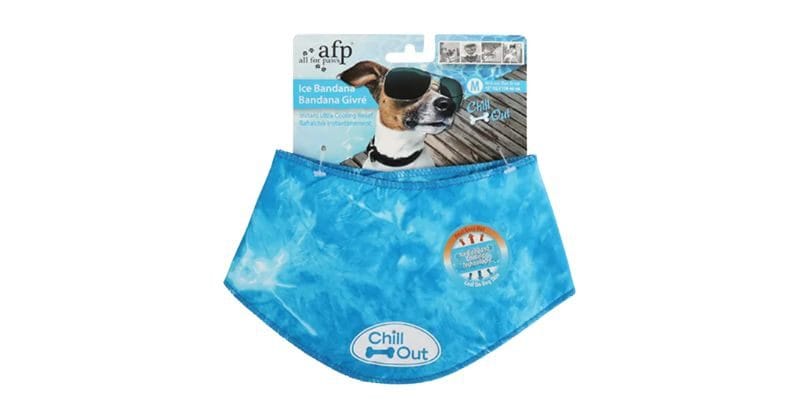
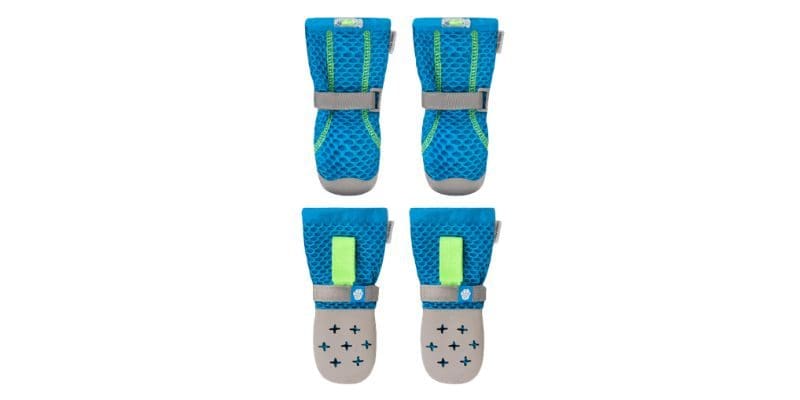
Walk your dog early morning or after sunset in summer, not in the middle of the day. It’s cooler for them, the ground is safe for their paws, and you’ll both enjoy it more. Save the midday heat for naps in the shade.
Sun Protection
Dogs get sunburnt, and sun damage is a real risk under the harsh Australian sun, especially for pink noses, pale or thin coats, and exposed bellies. White dogs and short-haired breeds are most at risk. A bit of protection on the vulnerable spots goes a long way over a year of constant sun.
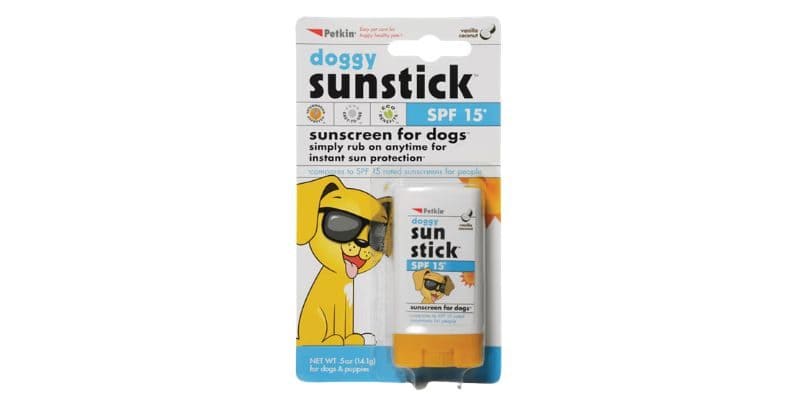
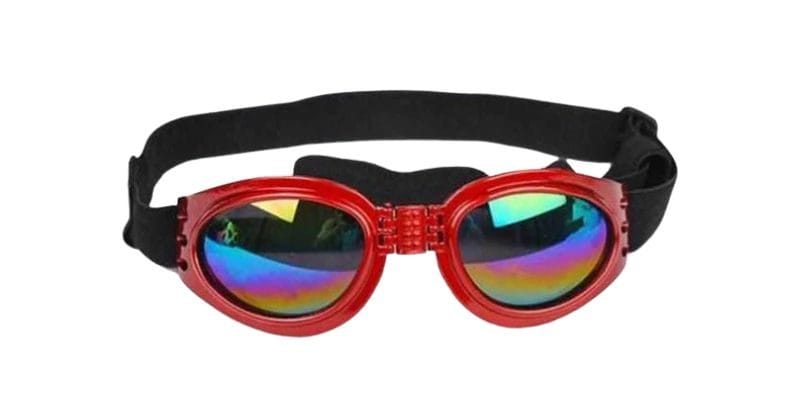
For the head and face, a wide-brim dog hat adds shade for the eyes and nose. Sandy Snoots makes a fun Australian range. More novelty than necessity for most dogs, but a bit of extra shade for a pink-nosed dog on a glaring beach day doesn’t hurt, and they’re undeniably good for a laugh.
Water, Hydration & Cool Treats
Cooling gear only works alongside constant access to fresh water. Dogs lose a lot of fluid panting in the heat, so the goal is water always available, on walks, in the car, and at camp. A few cheap bits make that easy, and a frozen treat turns hydration into something they actually want.
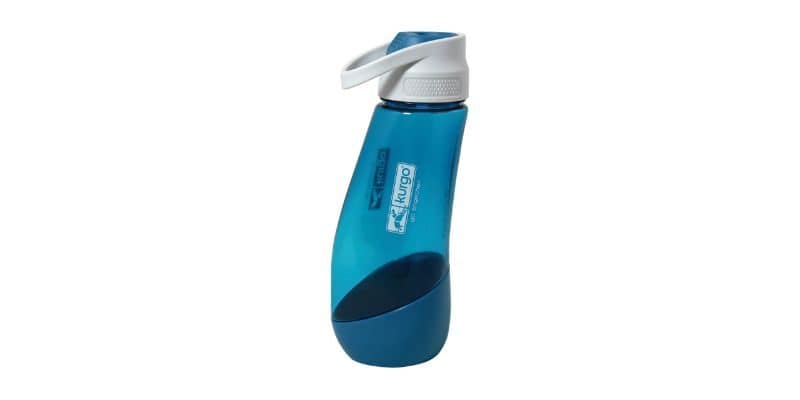
✔ Pros
- All-in-one, nothing extra to carry
- Pour unused water back, no waste
- Clips on for easy carrying
✗ Cons
- Capacity suits outings, not all-day
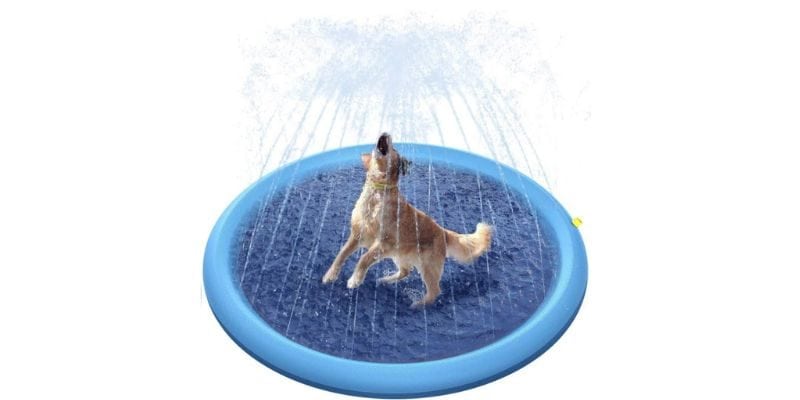
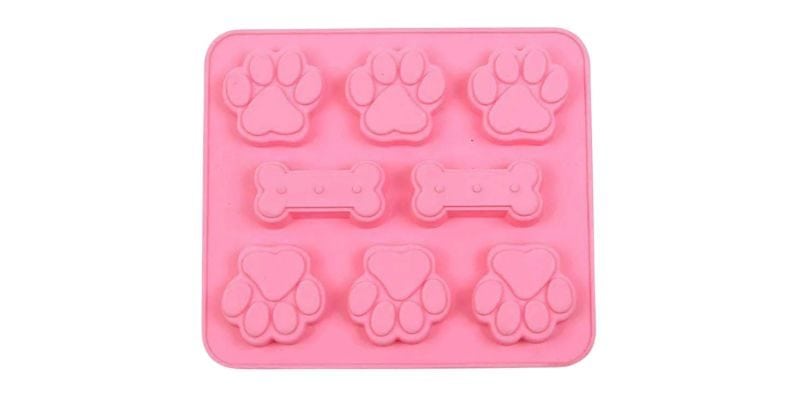
For dogs working hard in real heat, electrolytes help them hold onto fluid and recover. We cover them in detail in our travel health guide, and they pair perfectly with frozen treats and plenty of water.
Shade
Shade is the simplest cooling tool there is, and it’s free, but a campsite doesn’t always come with a handy tree. Giving your dog a permanent shaded spot to retreat to, off the hot ground and out of the sun, does more than most gadgets.
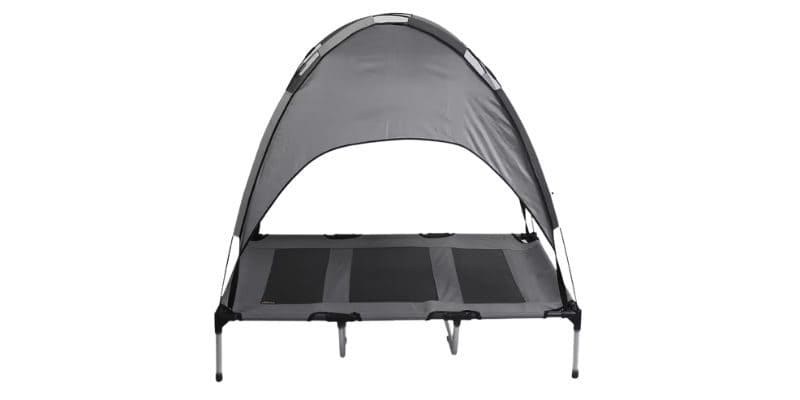
✔ Pros
- Shade anywhere, no tree needed
- Airflow underneath cools further
- Off the hot ground
✗ Cons
- Bulkier than a flat mat
- Canopy can catch wind, peg it down
Remember the sun moves. A spot that’s shaded when you set up at 9am can be in full sun by lunchtime. Position your dog’s shade with the afternoon in mind, and use the cooler hours of early morning and evening for activity.
FAQ
What’s the most important piece of cooling gear?
A van temperature monitor, without question. It’s the one product that warns you before a hot van becomes an emergency. Everything else keeps a dog comfortable, but the monitor is the one that helps prevent the worst. Pair it with the golden rule: never leave a dog in a parked vehicle in warm weather.
How do I know if my dog is too hot?
Watch for heavy or frantic panting, drooling, bright red gums, glazed eyes, wobbliness, vomiting, or collapse. Early heavy panting is your cue to cool them down and get them water before it escalates. If you see the serious signs, treat it as an emergency: shade, cool (not ice-cold) water on the body, small sips to drink, and a vet straight away.
Do cooling mats actually work?
Yes, within reason. Gel cooling mats pull heat away by contrast when your dog lies on them, which is real and useful, but they’re not air conditioning. They take the edge off and give your dog a cool surface to choose. Combined with shade, water, and airflow, they’re a genuinely effective part of the picture, just not a magic fix on a 40-degree day.
Can I just shave my dog for summer?
Usually no, and it can backfire. A double coat insulates against heat as well as cold and protects skin from sunburn, so shaving it off can leave a dog hotter and exposed to burns. Brush out the loose undercoat instead to help air circulate, and check with a groomer or vet before shaving any double-coated breed.
- A van temperature monitor is the most important buy here, full stop, and never leave a dog in a parked vehicle in the heat
- No-power gear wins on the road: a self-cooling gel mat, a wet cooling vest or bandana, and a shaded elevated bed
- Protect against burns too: dog sunscreen for pink noses, and boots for hot ground
- Keep water constant, use frozen treats to hydrate, and save activity for the cool of early morning and evening
Comment (0)