People forget how cold Australia gets once you’re off the coast. Chase winter sun up north and you’ll be fine, but plenty of the best big lap country, the high country, the southern inland, the desert at night, drops to single digits or below after dark. Your dog feels that, and a cold dog at 2am means a cold, miserable night for everyone in the van.
Keeping a dog warm isn’t just comfort, either. Older dogs, short-coated breeds, puppies, and skinny dogs genuinely struggle in the cold, and a warm dog sleeps better, settles faster, and travels happier. This guide covers the three layers of staying warm on the road: a proper warm bed off the cold ground, heat pads for the real chill, and cold-weather clothing for the dogs that need the extra help.
Disclosure: This guide contains affiliate links. If you buy through them, we may earn a small commission at no extra cost to you. We only recommend gear we’d happily use ourselves.
⚡ Our Top Picks
In a hurry? Here’s the short version:
Best Warm Bed
Paws for Life Hooded Cave Bed
A covered bed that traps body heat and lets a dog burrow in.
Best for Real Cold
SnuggleSafe Microwave Heat Pad
Hours of warmth with no power and no fire risk. Perfect off-grid.
Best Coat
Kazoo Aussie Oilskin Coat
Tough, water-resistant warmth built for the Aussie outdoors.
Warm Bedding
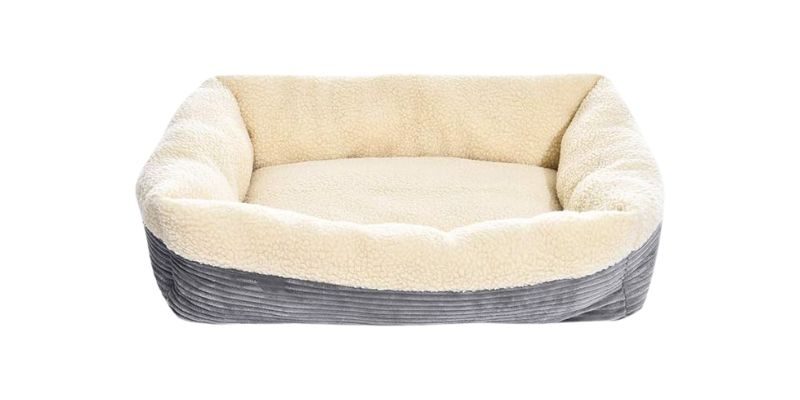
Warmth starts with the bed, and the single most important thing is getting your dog up off the cold ground or floor, where most of their heat is lost. From there it’s about trapping body heat. The right bed does most of the work before you reach for a heat pad or a coat, so it’s where to spend first.
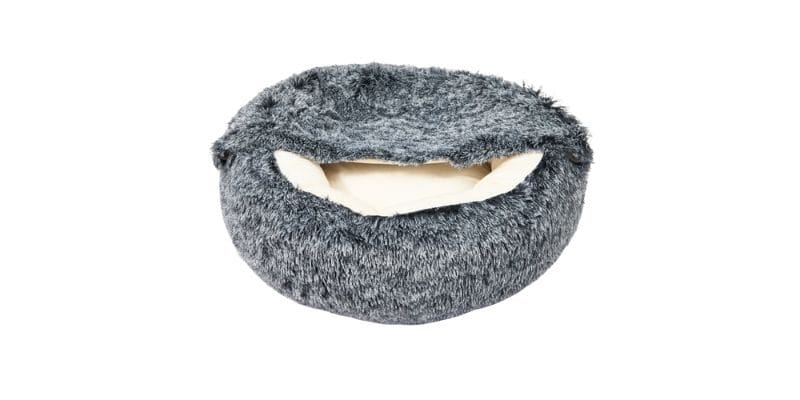
Paws for Life Cosy Calming Hooded Cave Bed
A bed they can burrow into and trap their own heat
For dogs that like to den, a hooded cave bed is the warmest option going. The covered top traps body heat and gives burrowers somewhere to disappear, which a lot of small and short-coated dogs love on a cold night. It doubles as a calming spot for nervous dogs, useful in a new camp every few days, and the soft sides are cosy without taking up much floor. The trade-off is that it sits on the ground, so on really cold surfaces pair it with insulation or a heat pad underneath.
Type
Hooded cave / burrow bed
Warmth
Traps body heat under hood
Bonus
Calming den for anxious dogs
✔ Pros
- Warmest style for burrowers
- Doubles as a calming den
- Compact footprint
✗ Cons
- Sits on the ground, no elevation
- Too warm for big or thick-coated dogs
- Larger dogs may not fit
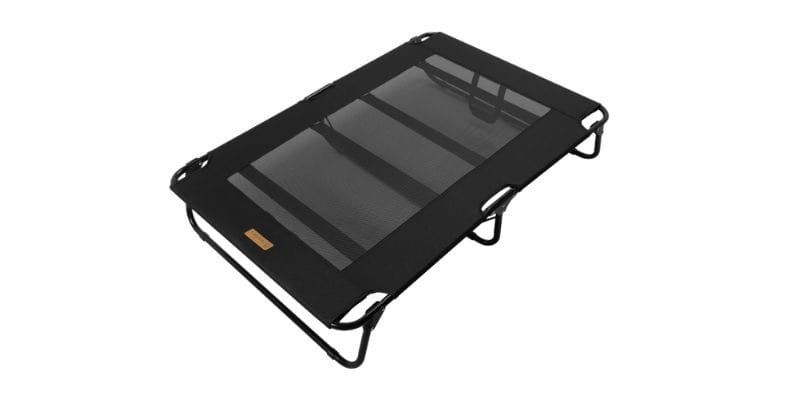
Charlie’s Foldable Travel Trampoline Bed
Elevated, foldable, and the smart base layer
An elevated trampoline bed is the unsung hero of warmth, because lifting your dog off cold ground stops the heat draining out underneath them. This one folds flat for travel and sets up in seconds, indoors or out, and the airflow beneath doubles as a cooling benefit in summer, so it earns its keep year-round. On its own it’s not warm, that’s the point, so throw a fleece or the infrared blanket on top in winter and you’ve got the ideal cold-weather setup: insulated from below, cosy on top.
Type
Elevated foldable bed
Packs
Folds flat for travel
Year-Round
Warm with topper, cool in summer
✔ Pros
- Lifts dog off cold ground
- Folds flat, quick to set up
- Works for warmth and cooling
✗ Cons
- Needs a topper to be warm
- Takes more floor space set up
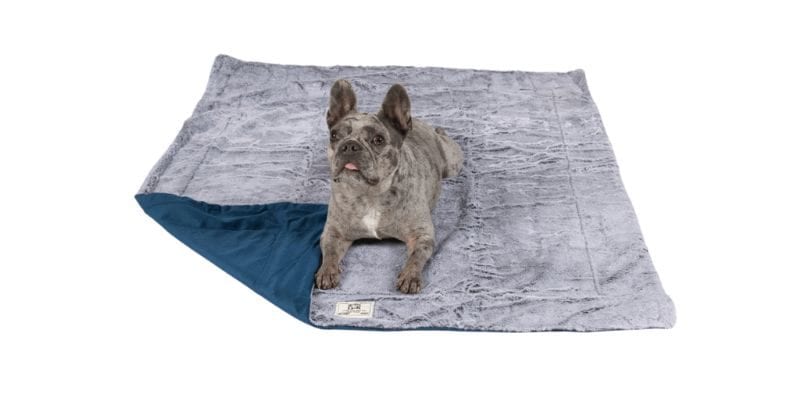
Chill Kuzzi Plush Infrared Dog Blanket
Reflects body heat back, no power needed
A good blanket does more than look cosy. This one uses an infrared-reflective layer that bounces your dog’s own body heat back at them, so it warms without any power, which is exactly what you want off-grid. Drape it over the trampoline bed, line the cave bed, or throw it across your dog on a cold evening. It’s plush, packs down small, and washes easily after a muddy week. A cheap, versatile layer that works with everything else here.
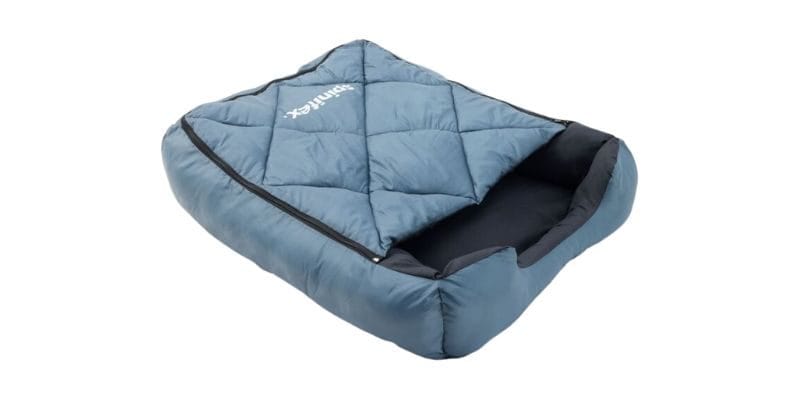
Spinifex Take Anywhere Pet Bed II
A rugged, packable bed built for camping
Designed for the outdoors rather than the lounge room, the Spinifex packs down into its own carry bag and stands up to dirt, damp, and general camp life better than a soft house bed. The padded base adds insulation from cold ground, and it shrugs off the grime that would wreck something fancier. A practical, hard-wearing option for a dog that sleeps outside the van or moves between inside and out.
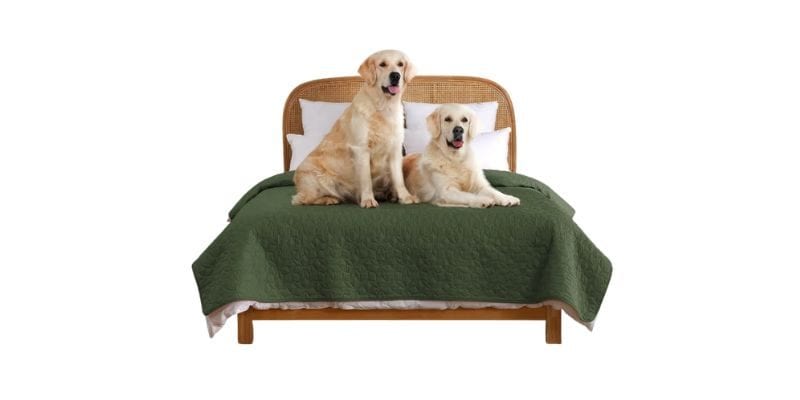
Charlie’s Sofur Waterproof Dog Couch Cover
Let them up on the lounge without wrecking it
On the coldest nights, the warmest place for your dog is inside with you, and the simplest fix is to let them up on the van lounge while protecting it. This waterproof cover shields your upholstery from fur, dirt, drool, and damp, so a dog sharing the warm spot doesn’t cost you your seating. It’s a practical bit of kit for any inside dog, and it makes the whole “just let them up” decision a lot easier on cold evenings.
💡
Tip
Layer like you would your own bed: something insulating underneath (an elevated bed or a mat), something cosy on top (a fleece or infrared blanket), and add a heat source only if it’s genuinely needed. Getting the dog off the cold floor does most of the work.
Heat Pads
When bedding alone isn’t enough, a heat pad adds gentle warmth right where your dog sleeps. The big question on the road is power: a mains pad is useless at a free camp, so match the type to how you travel. Whatever you choose, warmth should be gentle and even, never hot, and your dog must always be able to move off it.
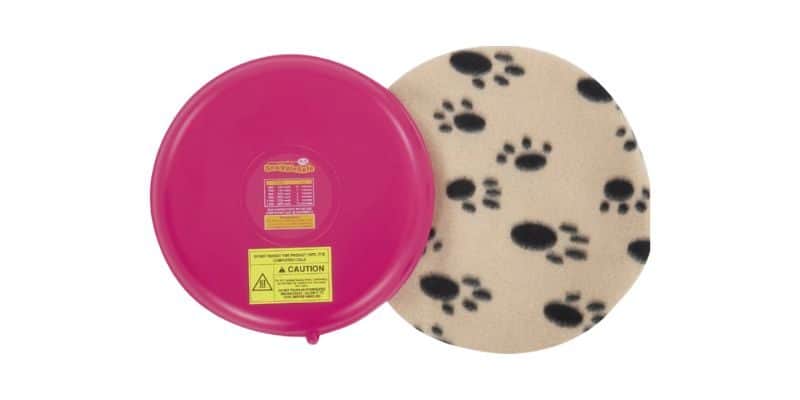
SnuggleSafe Microwave Heat Pad
Hours of warmth, zero power overnight
This is the off-grid winner. Heat it in the microwave for a few minutes and it holds warmth for up to ten hours, with no power, cords, or fire risk through the night. Pop it under the bedding before your dog settles and it radiates gentle heat while they sleep. As long as you can warm it once, at a powered site, a camp kitchen, or your own inverter, it’ll see a cold night through. Wrap it in the supplied cover or a towel so it’s never in direct contact for too long.
Heat Source
Microwave, holds up to ~10hrs
Overnight Power
None needed
Safety
No cords, no fire risk
✔ Pros
- No power needed overnight
- No cords for dogs to chew
- Cheap and safe
✗ Cons
- Need a microwave to reheat
- Warmth fades over the night
- Wrap it, don’t use bare
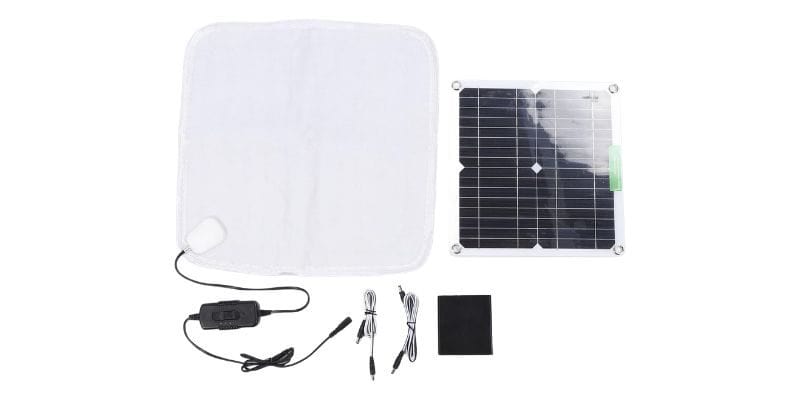
12V Pet Heating Pad
Runs straight off your van’s battery system
If your van runs a 12V system, a 12V heat pad plugs straight in and gives steady, controllable warmth without needing 240V power. It’s the middle ground between the microwave pad and a mains unit: constant heat like a powered pad, but drawing from the battery setup you already have. Watch your power budget on a string of cold cloudy days when solar is down, and pick one with a chew-resistant cord and a thermostat so it can’t overheat.
Power
12V, runs off van battery
Heat
Steady, thermostat-controlled
✔ Pros
- Constant warmth all night
- No 240V power required
- Uses your existing 12V setup
✗ Cons
- Draws on your battery budget
- Cord is a chew risk
- Quality varies, check the thermostat
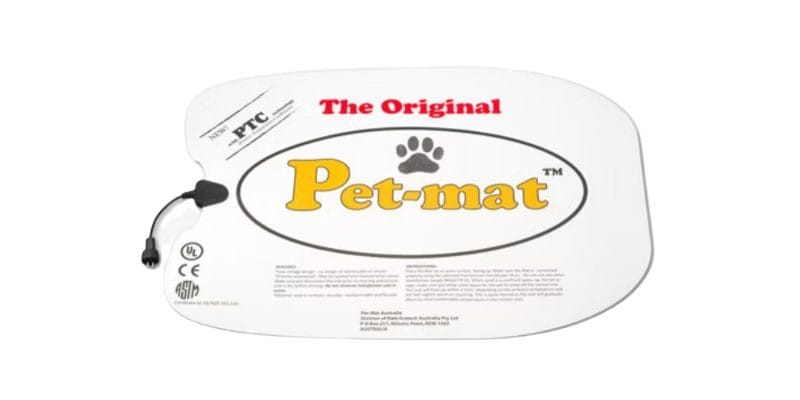
Electric Heated Pet Mat
Set-and-forget warmth when you’ve got 240V
At a powered site, a quality mains heat mat gives the most consistent warmth of the lot. Australian-made options from specialists like Pet Mat are built with safe low-voltage heating, chew-resistant cords, and thermostats that hold a gentle, even temperature. It’s the comfortable choice for older or arthritic dogs that really feel the cold. The obvious catch is it needs 240V, so it’s a caravan-park option rather than a free-camp one, which is why we’d pair it with a microwave pad for the nights off-grid.
Self-Warming Pet Mat
No power, no fuss, no reheating
The simplest option of all. A self-warming mat has a reflective inner layer that bounces your dog’s body heat back, so it warms up just from them lying on it, no power, no microwave, nothing to remember. It won’t match an actively heated pad in serious cold, but for mild chilly nights and as a permanent layer in the bed it’s effortless and cheap. A good set-and-forget base that works alongside everything else.
⚠️
Heat Pad Safety
Never use a human electric blanket on a dog, and never let a dog lie directly on a bare heated pad for long stretches. Always wrap it, use a thermostat-controlled pet pad, and make sure your dog can move off the heat if they get too warm. Keep an eye on cords, since a chewed cable on a powered pad is a serious risk.
Cold-Weather Clothing
Not every dog needs clothes, and a thick double-coated breed will look at you like you’ve lost the plot. But for short-coated, small, old, or skinny dogs, a coat makes a real difference on a frosty morning or an evening walk, and it keeps the heat in when they’re up and about rather than tucked in bed.
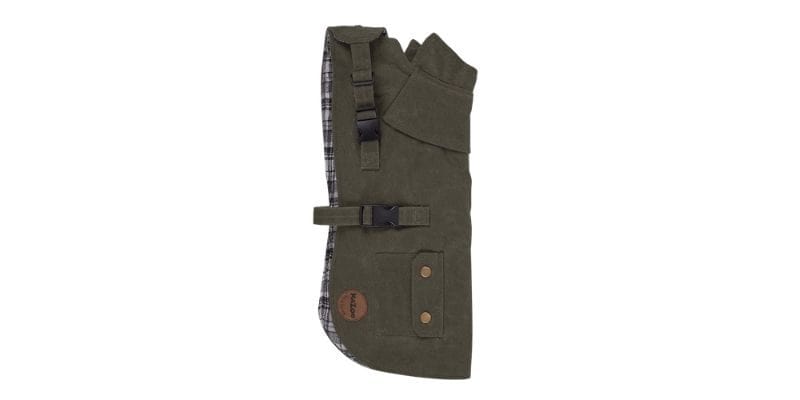
Kazoo Aussie Oilskin Dog Coat
Tough, water-resistant warmth made for the outdoors
For an outdoor dog on the road, oilskin is the right call. Water-resistant on the outside with a warm lining inside, it handles a frosty morning, light rain, and general camp life far better than a fashion jacket. It’s the kind of rugged, practical coat that suits the conditions you actually face out here, and it’ll outlast a season of mud and scrub. Measure along the back and around the chest for the fit, since a coat that slips sideways is no use.
Outer
Water-resistant oilskin
Built For
Outdoor and camp use
✔ Pros
- Water-resistant and warm
- Rugged enough for camp life
- Practical, not just a fashion piece
✗ Cons
- Get the measurements right
- Overkill for thick-coated breeds
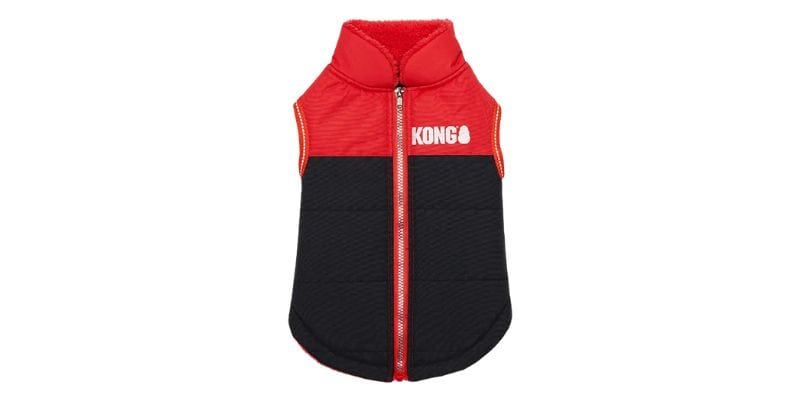
KONG Bomber Quilted Pet Jacket
A puffer for the genuinely cold mornings
When it’s properly cold rather than just brisk, a quilted puffer-style jacket traps more warmth than a single-layer coat. The KONG Bomber is cosy and easy to get on and off, good for high-country mornings and southern winters where a thin coat won’t cut it. Less water-resistant than oilskin, so it’s more of a dry-cold and around-camp layer than a wet-weather one. A good pick for small and toy breeds that lose heat fast.
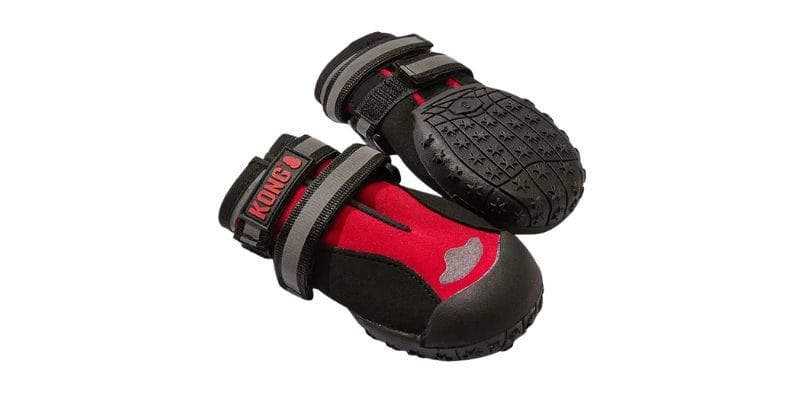
KONG Explorer Pet Boots
Protect paws from frost and cold ground
Cold-weather boots aren’t just for snow. Frosty mornings, icy gravel, and freezing ground are hard on paws, and boots keep them warm and protected on a winter walk. They’re the same kit that protects against hot ground in summer, so a set earns its place year-round. Expect the usual first-five-minutes protest, then most dogs forget they’re wearing them. Get the fit snug so they don’t ping off mid-walk.
Want to finish the cold-weather wardrobe? Petbarn’s All Day range has the cosy extras for small dogs that really feel it: a plaid trapper hat and pom-pom beanie for ears, and a snood neck warmer for the throat and chest. More fun than essential for most dogs, but for a shivering toy breed on a frosty morning they genuinely help, and they make for a good photo.
Quick Comparison
| Product |
Type |
Power Needed |
Price |
Best For |
| Hooded Cave Bed Top Bed |
Burrow bed |
None |
~$50 |
Small, burrowing dogs |
| Trampoline Bed Base Layer |
Elevated bed |
None |
~$45 |
Off cold ground, all seasons |
| SnuggleSafe Pad Top Heat |
Microwave heat pad |
Microwave to reheat |
~$45 |
Free camping |
| 12V Heat Pad |
Powered heat pad |
12V battery |
~$40 |
12V van setups |
| Electric Heat Mat |
Mains heat pad |
240V |
Varies |
Powered sites, old dogs |
| Self-Warming Mat |
Reflective mat |
None |
~$30 |
Mild cold, zero fuss |
| Kazoo Oilskin Coat |
Water-resistant coat |
None |
~$45 |
Outdoor winter walks |
| KONG Bomber Jacket |
Quilted puffer |
None |
~$40 |
Cold dry mornings, small dogs |
FAQ
How cold is too cold for my dog?
It depends hugely on the dog. Thick double-coated breeds are comfortable in temperatures that would have a short-coated or small dog shivering. As a rough guide, once it’s below about 7°C, cold-sensitive dogs (small, short-coated, old, or skinny) start to feel it and benefit from extra warmth. Watch your dog: shivering, reluctance to settle, curling up tight, or seeking out your body heat all say they’re cold.
What’s the best warmth option if I free camp with no power?
Layer a no-power setup: an elevated or insulated bed to get them off the cold ground, an infrared or self-warming layer on top, and a SnuggleSafe microwave pad warmed up while you’ve still got access to a microwave. That combination sees most cold nights through without drawing a single amp overnight.
Are heated pads safe to leave on overnight?
A quality thermostat-controlled pet pad, wrapped and set up so your dog can move off it, is designed for it. A human electric blanket is not, and should never be used. The microwave pad is the safest hands-off option since there’s no power or cord involved at all. Whatever you use, your dog must always be able to move away from the heat.
Does my dog really need a coat?
Many don’t. A healthy thick-coated dog carries its own. But for short-coated, toy, senior, or lean dogs, a coat makes a genuine difference on cold walks and frosty mornings, and an oilskin doubles as wet-weather protection. If your dog shivers or hunches on a cold walk, that’s your answer.
✅
Bottom Line
- Start with the bed: get your dog off the cold ground with an elevated or insulated bed, then add a cosy layer on top
- For off-grid warmth, a SnuggleSafe microwave pad is the safest no-power heat source; 12V or mains pads suit vans and powered sites
- Coats matter for short-coated, small, old, and skinny dogs, and an oilskin handles cold and wet at once
- Never use a human electric blanket, always wrap heat pads, and make sure your dog can move off the heat

Comment (0)