A vet visit 800km from the nearest town isn’t a five-minute drive. That’s why the gear that keeps your dog healthy on the road earns its place in the van fast. Tick country, dodgy water, long days in the car, and a new patch of dirt every few nights all take a toll, and a niggle you’d shrug off at home becomes a real problem when the nearest clinic is two days back the way you came.
This roundup covers the health and wellbeing kit worth carrying, from the parasite prevention that’s flat-out non-negotiable on the east coast to the calming aids, gut support, and first aid that keep the wheels on. None of it replaces a vet, but all of it buys you time and saves you grief.
Disclosure: This guide contains affiliate links. If you buy through them, we may earn a small commission at no extra cost to you. We only recommend gear we’d happily use ourselves. None of this is veterinary advice. When in doubt, talk to your vet.
⚡ Our Top Picks
In a hurry? Here’s the short version:
Best Prevention
Simparica Trio
One monthly chew covering fleas, ticks, mites, heartworm and worms.
Best Calming Aid
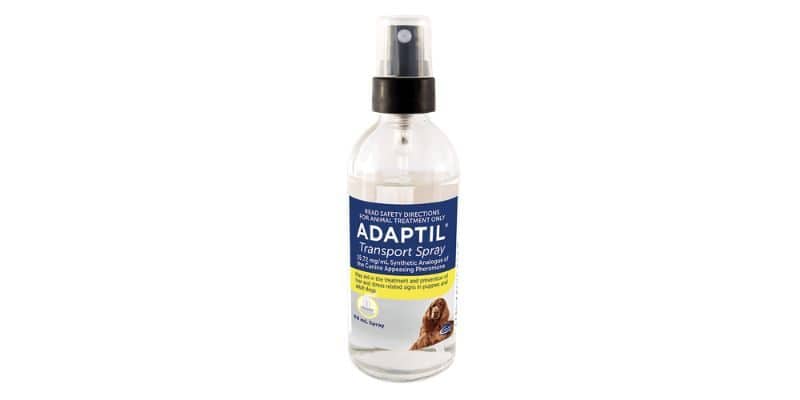
Adaptil Transport Spray
Cheap, easy, and genuinely settles most dogs in the car.
Don’t Leave Without It
Pet First Aid Kit
Your safety net when the vet is hundreds of kilometres away.
Tick & Parasite Prevention
If you read nothing else in this guide, read this. The big lap takes you through paralysis tick country along the east coast, into heartworm territory up north, and across plenty of flea-friendly bush in between. Prevention isn’t optional, and it’s the cheapest insurance you’ll ever buy for your dog. Start with a quality all-in-one treatment, then back it up with daily tick checks and the tools to deal with one if it slips through.
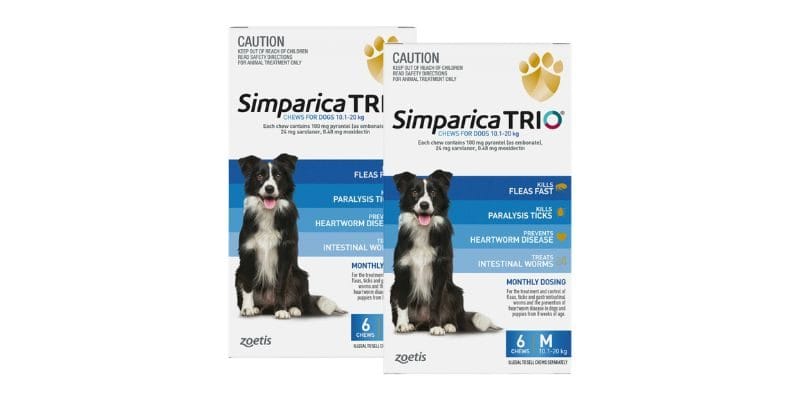
Simparica Trio
One chew that covers nearly everything
If you want to carry one parasite product, make it this. A single monthly chew protects against fleas, paralysis and other ticks, mites, heartworm, and intestinal worms, which means one treatment instead of juggling three. That matters on the road, where you don’t want to be tracking down a chemist for the worming tablet you forgot. It’s a prescription item, but Pet Circle sorts the script at checkout, so you can stock up before you leave. Match the pack to your dog’s weight.
Covers
Fleas, ticks, mites, heartworm, worms
Script
Prescription, arranged at checkout
✔ Pros
- One product does the lot
- Covers paralysis ticks and heartworm
- Easy monthly chew, no mess
- Stock up before you go
✗ Cons
- Dearer than single-purpose products
- Needs a vet script
- Must match dose to weight
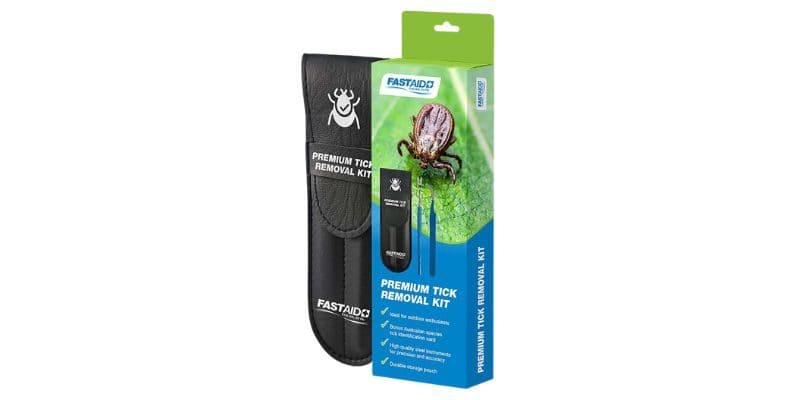
FastAid Premium Tick Remover Kit
The right tool beats fingers and tweezers every time
No prevention is 100 percent, so carry a proper remover. This kit uses the twist-and-lift design that gets the whole tick out, head included, without squeezing more toxin into your dog. Keep it somewhere you can grab it fast, because a tick found at a remote camp needs dealing with then and there, not after a three-hour drive to the vet.
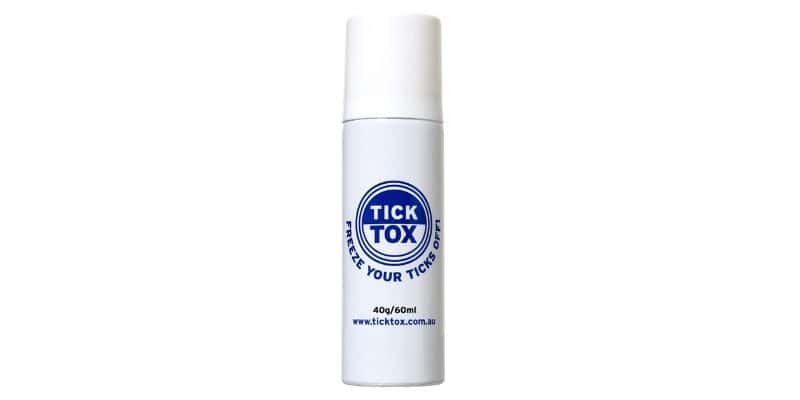
Wild Earth Tick-Tox Freeze Spray
Freezes the tick before you remove it
A freeze spray kills the tick on contact so it can’t pump more toxin in as you take it off. Think of it as a backup to a removal tool rather than a replacement: handy for ticks in awkward spots, and a tidy thing to have in the kit. Small, light, and cheap enough to throw in alongside the remover.
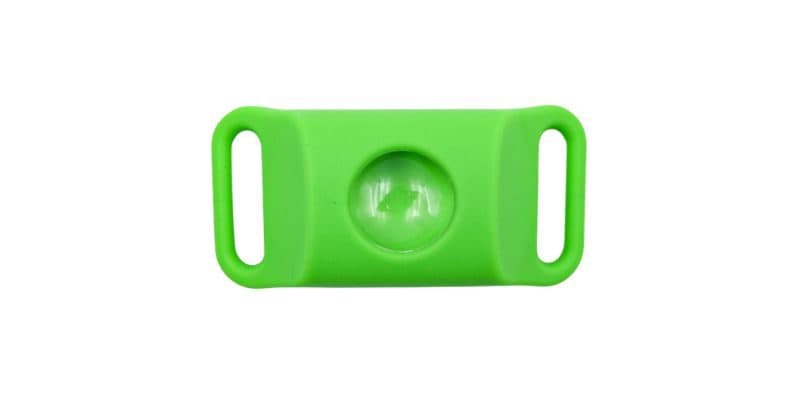
Fluffguard Flea & Tick Collar
A supplement, not a substitute
A flea and tick collar can add a layer of protection, and some owners like the set-and-forget aspect. We’ll be straight with you though: a collar is not a replacement for a vet-grade monthly treatment, and where paralysis ticks are concerned that distinction can be life or death. If you want to use one, treat it as a backup to your chewable, not the main event, and keep checking your dog daily regardless.
⚠️
Paralysis Ticks Kill Dogs
Along the east coast, paralysis ticks can be fatal. Run your hands over your dog every single day, checking the head, neck, ears, and between the toes. Early signs include wobbly back legs, a changed or weak bark, vomiting, and laboured breathing. If you suspect a paralysis tick, get to a vet immediately. This is an emergency, not a wait-and-see.
Calming & Motion Sickness
Some dogs take to van life instantly. Others find the constant moving, the new sounds, and a different campsite every few days genuinely stressful, and a carsick dog makes everyone’s day worse. The good news is there’s a lot you can do, and most of it is cheap. Trial whatever you choose at home first so you know how your dog responds before you’re 400km from anywhere.
Adaptil Transport Spray
A pheromone that tells your dog everything’s fine
Adaptil mimics the calming pheromone a mother dog releases to settle her pups, and it works on a lot of dogs without sedating them. Spritz it on the bedding, harness, or seat cover 15 minutes before you set off, not directly on the dog. It’s cheap, drug-free, and easy to reapply at each leg, which makes it the first calming aid we’d reach for on a long travel day.
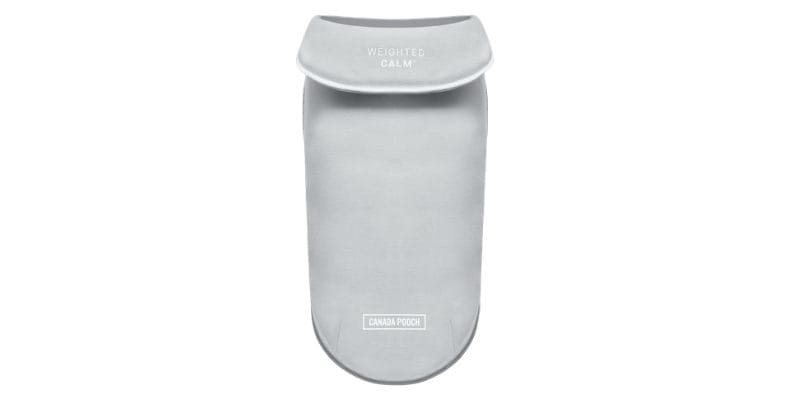
Canada Pooch Weighted Calming Vest
Gentle, constant pressure that takes the edge off
For genuinely anxious dogs, a calming vest works like a constant reassuring hug. The Canada Pooch version adds gentle weight to the snug-fit design, and the steady pressure helps a lot of dogs settle through travel, storms, and the general upheaval of a moving home. It won’t fix severe anxiety on its own, but paired with Adaptil and a calm routine it’s a strong combination. Get the sizing right, as the fit is what makes it work.
How It Works
Snug fit + light weight
Good For
Travel, storms, anxiety
✔ Pros
- Drug-free, reusable
- Works for storms as well as travel
- Quality construction
✗ Cons
- Sizing must be spot on
- Can be warm in summer heat
- Not a fix for severe anxiety alone
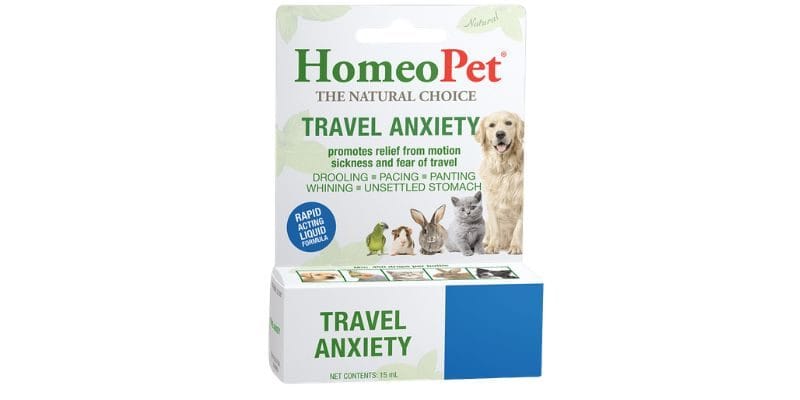
HomeoPet Travel Anxiety & Motion Sickness Drops
For the dog that gets queasy in the car
These drops target the carsickness and travel nerves that single-product calming aids miss. A few drops before you drive can settle a queasy stomach for dogs that drool, whine, or worse on the move. Results vary dog to dog, so trial it at home first. For severe, persistent carsickness, ask your vet about a prescription anti-nausea such as Cerenia.
Doggylicious Calming Peanut Butter
Calming ingredients in a format dogs actually want
Sometimes the easiest path is the one your dog volunteers for. This peanut butter is spiked with calming ingredients, and smeared in a lick mat or toy it doubles as a distraction during a stressful drive or a busy caravan park happy hour. A low-effort extra rather than a cure, but a genuinely useful one.
💡
Tip
Don’t feed a big meal right before a long drive, and build up to it with short practice trips so the car becomes normal rather than a once-a-fortnight ordeal.
Everyday Wellbeing: Gut, Hydration & Ears
The slow-burn health stuff doesn’t make the highlight reel, but it’s what keeps small problems from becoming a detour. New water, changing diets, big heat, and a lot of swimming all add up over a year on the road.
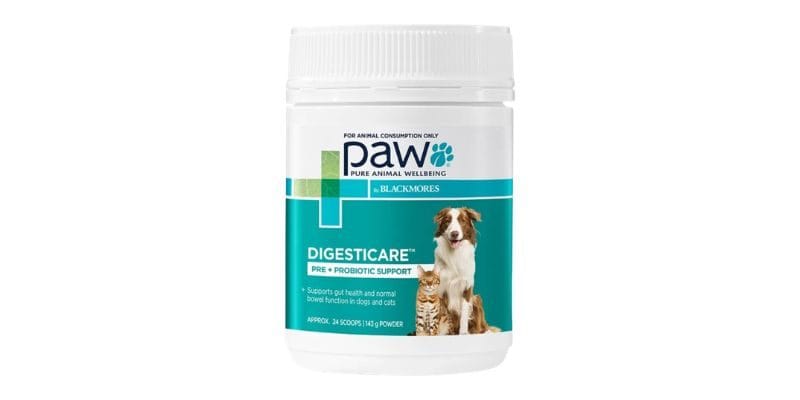
PAW Blackmores DigestiCare
Settles a road-rattled gut
New water at every stop and the odd diet change upset a lot of dogs in the first few weeks of travel, and a probiotic helps keep their digestion on an even keel. DigestiCare is a well-known Australian option that’s easy to add to food. Cheap insurance against a runny dog in a small van, which is a problem you only need to experience once.
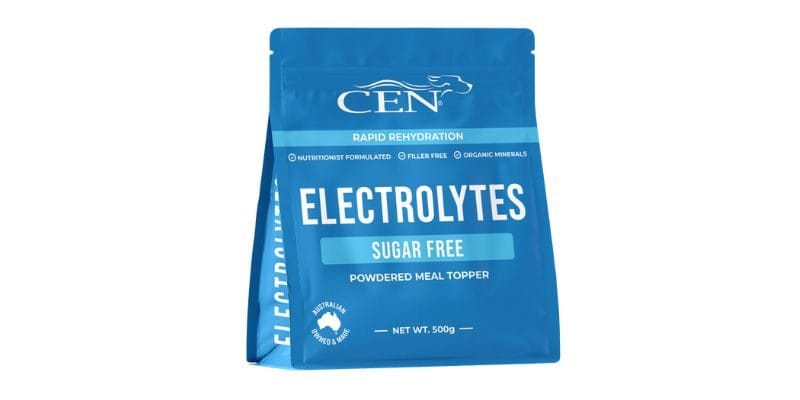
CEN Electrolytes Meal Topper
Help your dog hold onto water in the heat
Australian heat is hard on dogs, and a hard day of activity or a long stint in a warm van can leave them depleted. This sugar-free powdered topper supports hydration and recovery, and stirs straight into food or water. A small thing that earns its keep through a Top End dry season or a summer push across the Nullarbor.
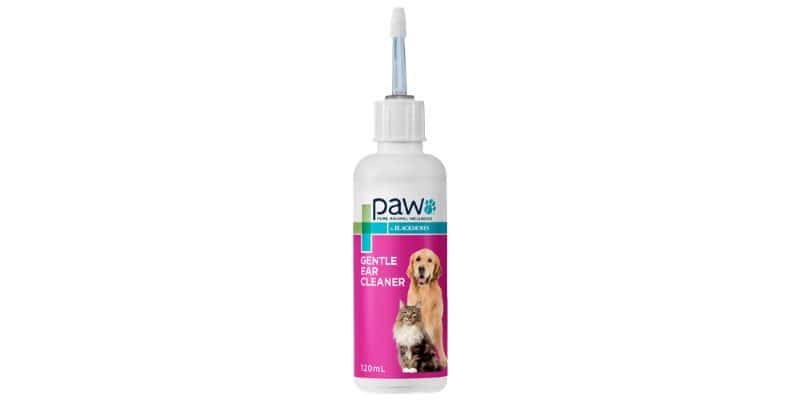
PAW Blackmores Gentle Ear Cleaner
Because every waterhole ends up in their ears
Dogs that swim in rivers, waterholes, and the ocean (which is to say, most dogs on the lap) are prone to ear infections, and a remote vet trip for a grotty ear is exactly the kind of thing you can avoid. A gentle cleaner used after swimming keeps ears dry and healthy. Keep it with the towel and it becomes part of the post-swim routine.
First Aid & Vet Cover
When something goes wrong a long way from help, two things make the difference: what you’ve got in the kit, and whether you can afford the bill. Sort both before you leave.
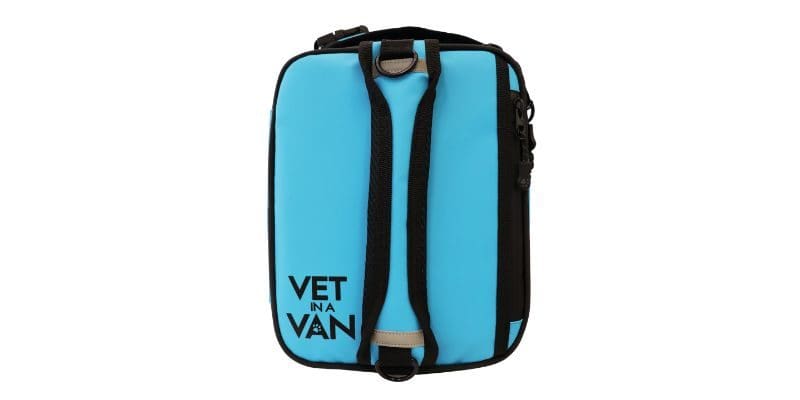
Vet in a Van Pet First Aid Kit
A purpose-built kit beats a human one with a band-aid in it
A dog-specific first aid kit means the right gear is in one grab bag when you need it under pressure: wound care, dressings, and the bits a generic kit leaves out. The remoteness of the big lap is exactly why this matters, since you may be the first responder for an hour or more before any vet is involved. Check it has a compression bandage, learn what’s in it before you need it, and top up consumables as you go.
Type
Pet-specific first aid
Check For
Compression bandage
Pet Insurance: Sort It Before You Go
It’s easy to skip, right up until your dog needs emergency surgery in a regional town and the bill lands somewhere between awkward and eye-watering. Vet costs don’t drop just because you’re remote, and an emergency on the road can run into the thousands. Weigh the premium against what an unexpected bill would do to your travel budget, and decide before you leave rather than after the emergency. If you want to compare cover, Knose is one option worth a look. Whatever you choose, sort it while you’ve still got reception and time.
⚠️
Snake & Spider Bites
Snakes are a real risk in the bush. If your dog is bitten, keep them as calm and still as possible to slow the venom, apply a compression bandage if the bite is on a limb, and get to a vet fast. Know the nearest clinic at every stop and carry your dog’s vaccination records, since some emergency vets and boarding kennels will ask for them.
FAQ
Do I need tick prevention if we’re not heading to a known tick area?
Yes. The whole point of the big lap is that you move, and over a year you’ll pass through plenty of tick country whether you planned to or not. Year-round prevention is far simpler and safer than trying to predict where the ticks are.
My dog gets carsick. What actually helps?
Start with the basics: don’t feed a big meal beforehand, keep them secured and able to see out, and crack a window for airflow. Build up with short practice drives. From there, motion sickness drops or an anti-nausea help many dogs, and for severe cases a vet can prescribe Cerenia. Most dogs improve a lot once travel becomes routine.
Is pet insurance worth it for a big lap?
It depends on your appetite for risk and your budget, but the maths shifts when you’re travelling. A single emergency far from home can cost more than a year of premiums, and you won’t have your regular vet or savings safety net close by. At minimum, work out what an unexpected $5,000 bill would mean for your trip before you decide.
What’s the one thing I shouldn’t skimp on?
Parasite prevention, no contest. A quality all-in-one treatment plus daily tick checks is the cheapest and most important health habit on this list. Everything else makes life smoother. Prevention can be the difference between a great trip and a heartbreaking one.
✅
Bottom Line
- Parasite prevention is non-negotiable: an all-in-one like Simparica Trio covers the lot, backed by daily tick checks and a proper remover
- Pack calming aids before you need them, and trial them at home so you know how your dog responds
- A pet-specific first aid kit plus knowing the nearest vet at each stop is your safety net
- Sort pet insurance before you leave, not after the emergency


Comment (0)