
Out of the van, your dog is a small animal in a very big country. Off-lead on a beach, swimming in a waterhole, walking a bush track at dusk, or nosing through scrub in bait and snake territory, there’s a lot that can go wrong fast. The gear in this guide is about two things: keeping your dog safe while they’re out adventuring, and getting them back quickly if they wander off.
This is the kit that protects a dog from the country itself, from grass seeds and hot ground to the open water and the risk of getting lost a long way from anywhere. None of it is expensive next to a vet bill or a search at dusk, and most of it earns its space many times over the length of a lap.
Tracking & ID: Don’t Lose Your Dog
A dog that bolts at a new camp, spooks at a roo, or simply wanders off chasing a smell is every traveller’s quiet nightmare. The further you are from home, the harder a lost dog is to recover, because there’s no familiar territory to return to and no local network to spread the word. Two layers solve most of it: a way to track your dog live, and a way for a stranger to contact you instantly.
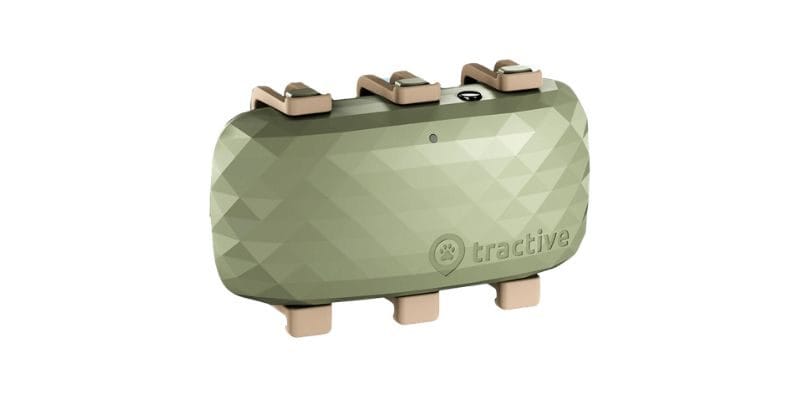
✔ Pros
- Real-time tracking, not just last-seen
- Virtual fence alerts if they leave camp
- Works in remote areas with coverage
✗ Cons
- Needs a paid subscription
- No signal, no live update
- Battery needs regular charging

✔ Pros
- Cheap, no subscription
- No charging needed
- Great in populated areas
✗ Cons
- Useless where there are no iPhones
- Not live tracking
- AirTag sold separately
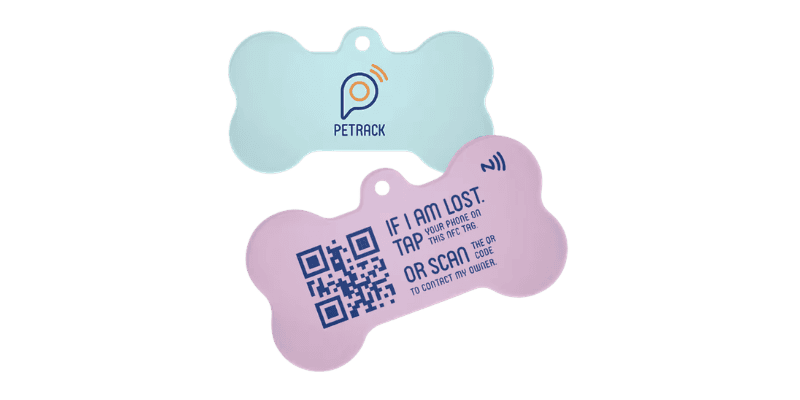
Make sure your dog’s microchip details are current before you leave. A chip is useless for recovery if it still lists the address you sold two years ago.
Visibility: Being Seen at Dusk & Night
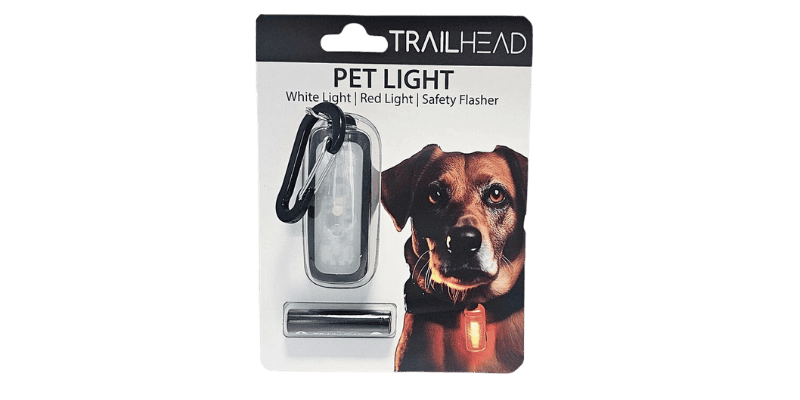
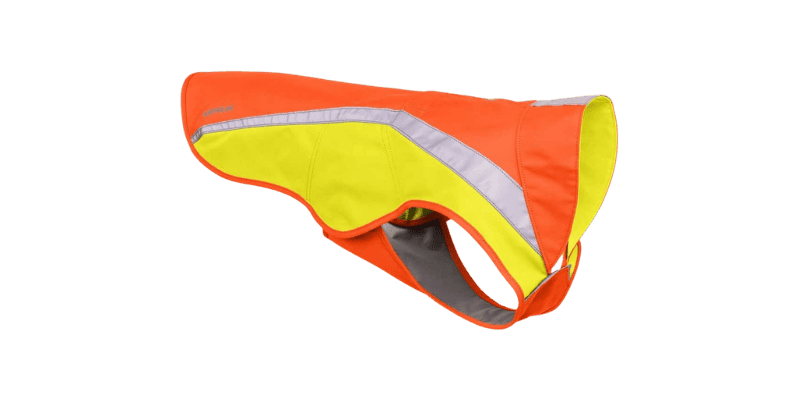
Camp toilet stops happen in the dark, dogs slip off the lead at dusk, and a dark-coated dog vanishes the moment the sun drops. Making your dog easy to see protects them around camp traffic and makes them far quicker to spot if they do wander. Cheap, and weirdly reassuring.
Protection: Water, Paws, Seeds & Baits
This is the gear that protects a dog from specific Australian hazards. Open water that’s deeper and pushier than it looks. Ground hot enough to burn pads. Grass seeds that burrow into skin. And the baits laid across huge tracts of pastoral and national park land. Match what you carry to where you’re headed.
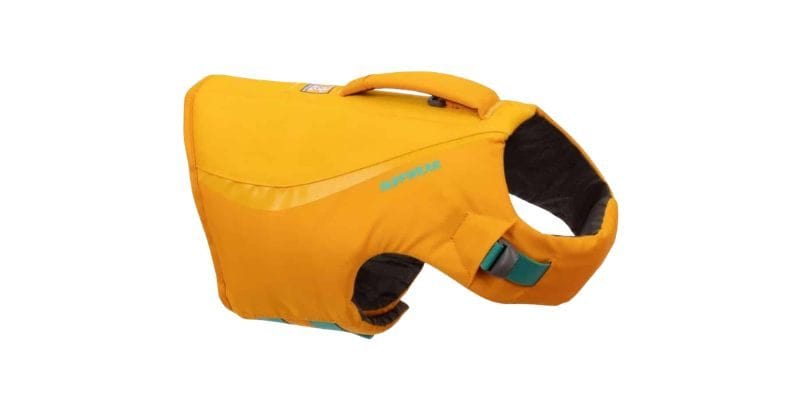
✔ Pros
- Excellent buoyancy and build
- Lift handle is genuinely useful
- Bright and easy to see in water
✗ Cons
- Premium price
- Overkill for a dog that avoids water
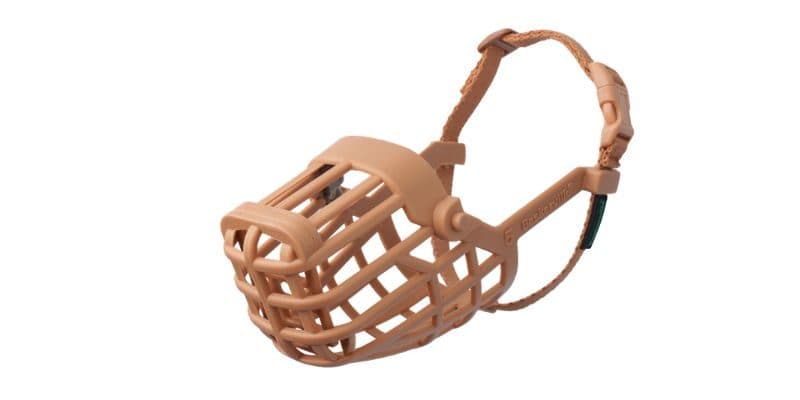
✔ Pros
- Stops bait and carcass scavenging
- Dog can still pant and drink
- Comfortable, well-proven design
✗ Cons
- Needs gradual introduction
- Not a substitute for a lead in bait areas
1080 poison is laid across large areas of pastoral land, state forest, and the edges of national parks, and it’s fatal to dogs with no antidote. Look for warning signs at access points, keep your dog leashed and muzzled in these areas, and never let them scavenge. If you suspect your dog has taken a bait, get to a vet immediately and induce vomiting only if a vet directs you to.
Quick Comparison
| Product | Protects Against | Price | Priority |
|---|---|---|---|
| GPS Tracker Top Pick | Getting lost in remote areas | ~$50 + sub | Essential off-grid |
| Engraved ID Tag Value | Getting lost anywhere | ~$15 | Essential |
| AirTag Holder | Getting lost in towns/parks | ~$20 | Handy backup |
| Trail Light Clip | Being unseen after dark | ~$15 | Recommended |
| Lumenglow Hi-Viz Coat | Low light + cold | ~$70 | Situational |
| Ruffwear Float Coat | Drowning / tiring in water | ~$140 | If near water |
| Baskerville Muzzle | 1080 baits, scavenging | ~$30 | Essential in bait country |
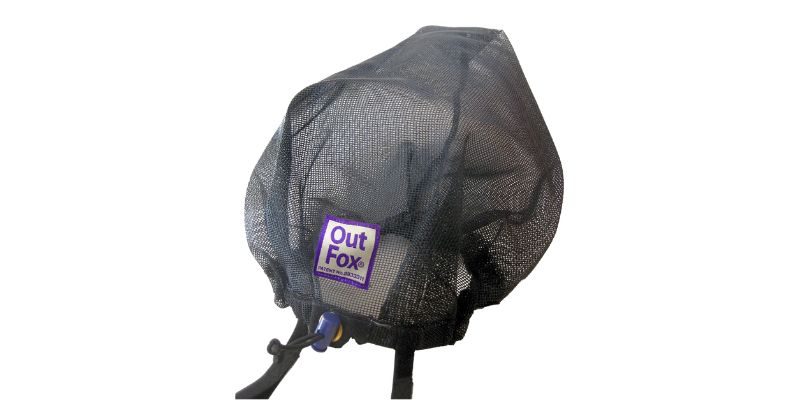
| OutFox Field Guard | Grass seeds | ~$75 | Situational |
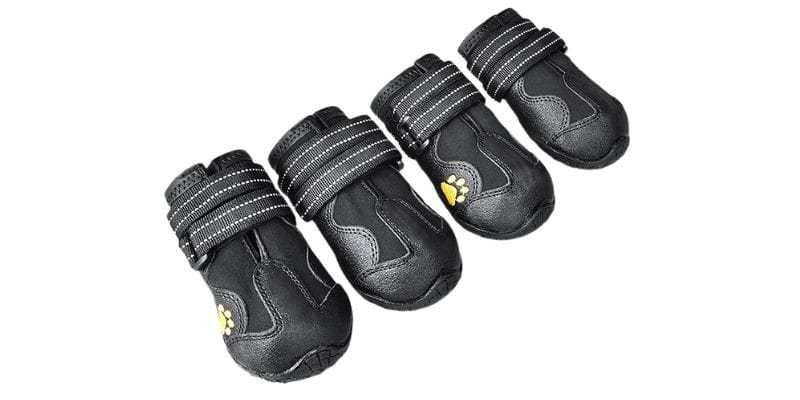
| Dog Boots | Hot / sharp ground | ~$50 | Hot-climate travel |
FAQ
Is an AirTag enough, or do I really need a GPS tracker?
For the big lap, you want both. An AirTag is great in towns and caravan parks because it borrows nearby iPhones to report a location. The moment you’re somewhere remote with no phones around, it goes silent. A GPS tracker uses the mobile network to report live location itself, which is what you need when your dog goes missing in the bush. Carry the AirTag as a cheap backup and rely on the tracker off-grid.
Do I need a muzzle if my dog has good recall?
In 1080 baiting country, yes. Baits are designed to be attractive, recall fails the one time it matters, and there’s no antidote. A basket muzzle in known baiting areas is cheap insurance against a heartbreaking and entirely preventable death. Pair it with keeping your dog leashed.
My dog hates wearing things. Will boots and muzzles even work?
Most dogs object at first, then forget about it. The trick is to introduce them slowly at home with treats and short sessions, well before you need them, rather than strapping gear on for the first time in the field. Done right, both become a non-event.
What’s the most important thing on this list?
Identification, every time. A current microchip plus an engraved tag with your mobile number is what gets a lost dog home, and it works regardless of battery, signal, or how far from anywhere you are. The tracker is a brilliant second layer, but the tag is the foundation.
- Identification comes first: a current microchip and an engraved tag, backed by a GPS tracker for off-grid travel
- A clip light or hi-viz coat keeps your dog seen at dusk and around dark camps
- Match protection to where you’re going: a life jacket near water, a muzzle in bait country, boots for hot ground, an OutFox hood in seed country
- Introduce muzzles and boots gradually at home so they’re a non-event when it matters
Comment (0)