
Planning gear for a Big Lap feels overwhelming. Should you buy the $50 camp chair or the $200 one? Is that $3,000 lithium setup worth it, or will a basic battery do? Every caravan show and Facebook group offers different advice, leaving you more confused than when you started.
The truth is simpler than the marketing wants you to believe. After talking to hundreds of Big Lappers, a clear pattern emerges: spend quality money on daily use essentials that keep you comfortable, safe, and self sufficient. Save on everything else.
Your gear decisions will make or break your trip. Get them right, and you’ll have reliable tools that enhance every day on the road. Get them wrong, and you’ll either replace cheap junk that fails or carry expensive clutter you never use.
What’s Actually Worth Buying
Before debating quality versus cheap, ask yourself: do you even need this item? The longer people are on the road, the more they talk about what they regret buying, overpaying for, or bringing along. Many Big Lappers pack based on imagined scenarios rather than daily reality. The best gear purchase is often the one you don’t make.
The gear that’s worth it comes down to your individual travel style. One person may love their air fryer; another may ditch it within a week on the road. That said, here’s the filter that separates essential gear from expensive clutter:
- Solves a daily or weekly problem: If you won’t use it regularly, leave it behind
- Fits your setup without creating clutter: Storage space is premium real estate
- Simple and reliable when you’re tired: Complicated gear becomes frustrating gear
- Saves time, stress, or money long term: The best investments compound
- You’ll genuinely use it: If it collected dust at home, it’ll collect dust in your caravan
Facebook groups like “Grey Nomads Australia” and “Big Lap Australia” are goldmines for real world gear reviews. Ask specific questions about products you’re considering.
Once you’ve decided whether you’ll actually need something, then you can start considering whether it’s worth buying quality or cheap. There are things you absolutely must buy quality, otherwise you’ll end up replacing them when they break or upgrading to something more fit for purpose. And then there are things where the cheapest version still gets the job done.
Where to Splurge vs Where to Save
Not all gear deserves the same budget. Some items work fine whether you buy the $20 or $200 version. Others will make your life miserable if you choose poorly.
Always Buy Quality
These categories demand your best dollars because failure means danger, frustration, or expensive replacements:
- Power systems: Solar panels, batteries, inverters. Your independence depends on reliable power
- Temperature control: Diesel heaters, quality fans, window coverings. Comfort isn’t optional
- Refrigeration: Efficient fridges save power and keep food fresh longer
- Connectivity: Internet and communication gear for safety and staying connected
- Towing equipment: Weight distribution hitches, brake controllers, suspension upgrades
- Safety gear: First aid kits, fire extinguishers, gas detection systems
Save Your Money Here
These items do their job regardless of price. Buy the cheapest version that meets your needs:
- Cleaning supplies: Sponges, brushes, dish racks, laundry tubs
- Camp accessories: Tent pegs, ropes, buckets, storage bins
- Basic kitchenware: Plates, cutlery, plastic containers, everyday cups
- Kids’ entertainment: Toys, games, art supplies, beach gear
- Non critical tools: Backup torches, mallets, collapsible bins
| Category | Splurge Reasoning | Save Reasoning | Price Difference |
|---|---|---|---|
| Lithium Battery Worth It | Longer life, better efficiency, lighter weight | – | $2,000+ vs AGM alternatives |
| Camp Chairs | Comfort for hours of daily use | Basic function identical | $200 vs $50 |
| Cleaning Gear | – | Function doesn’t improve with price | $10 vs $2 |
| Mattress Worth It | Sleep quality affects everything | – | $1,000 vs $300 |
Power Systems: Your Freedom Foundation
Power systems separate successful Big Lappers from those stuck at powered sites. This isn’t where you save money unless you’re happy paying $30 to $45 per night for electricity.
~$3,000
A quality lithium system costs $3,000+ upfront but saves $35+ per night in site fees. After 85 nights of free camping, you’re ahead financially. After 500+ nights, you’re thousands ahead while enjoying complete freedom to camp anywhere.
AGM batteries cost half the price but weigh double, last one quarter as long, and provide less usable power. The math favours lithium for extended travel.
Refrigeration: Keep It Cool
Three way fridges are cheap to buy but expensive to run. Compressor fridges cost more initially but use 70% less power and maintain consistent temperatures.
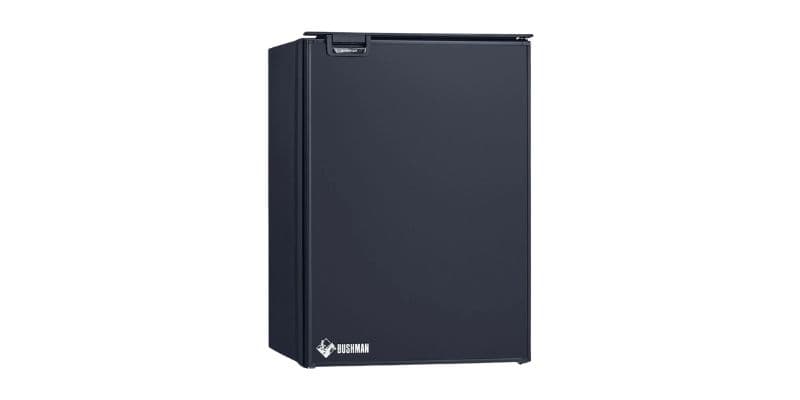
~$1,500
Quality compressor fridges from Bushman, Evakool, or Engel last decades and maintain precise temperatures. Chinese alternatives might save $500 initially but often fail within years and provide inconsistent cooling.
Comfort Essentials That Pay Off
Comfort gear might seem optional, but poor sleep, uncomfortable seating, and inadequate climate control will end your trip early. These upgrades feel expensive initially but pay dividends daily.
Sleep Systems
You’ll spend 8+ hours on your mattress every night for months or years. A $300 caravan mattress that creates back pain costs far more than a $1,000 quality replacement when you calculate chiropractor bills and reduced enjoyment. Don’t skimp on pillows and linen either. You’ll use them every single night, and comfort affects everything from mood to relationship harmony.
~$300–$400
Camp Furniture
Cheap camp chairs cost $50 but leave you sore after an hour. Quality chairs cost $150 to $250 but provide back support for evening after evening around the campfire.
Test camp chairs in store by sitting for 10+ minutes. Your back will tell you immediately which models provide adequate support.
Climate Control
Australian weather ranges from Tasmanian winters to tropical Darwin humidity. Quality climate control gear extends your travel seasons and camping location options.
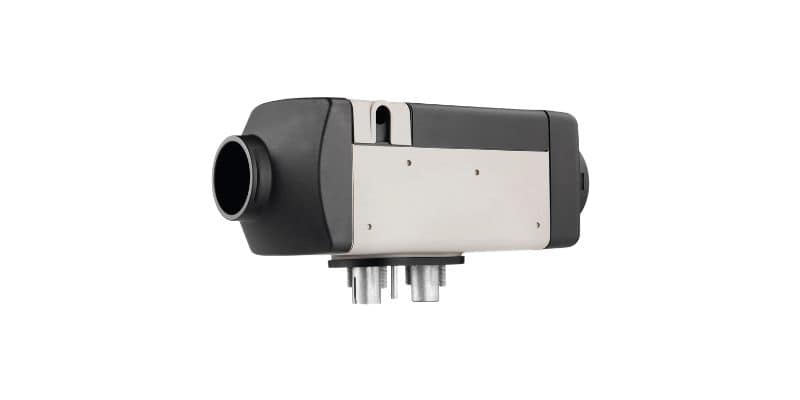
~$1,800
Diesel heaters provide consistent warmth without condensation issues. 12V Sirocco fans ~$180 move air efficiently for hot climates. Quality window coverings block heat and provide privacy.
Connectivity: Stay Connected Anywhere
Reliable internet enables remote work, homeschooling, emergency communication, and entertainment. Poor connectivity gear leaves you isolated when you need help most.
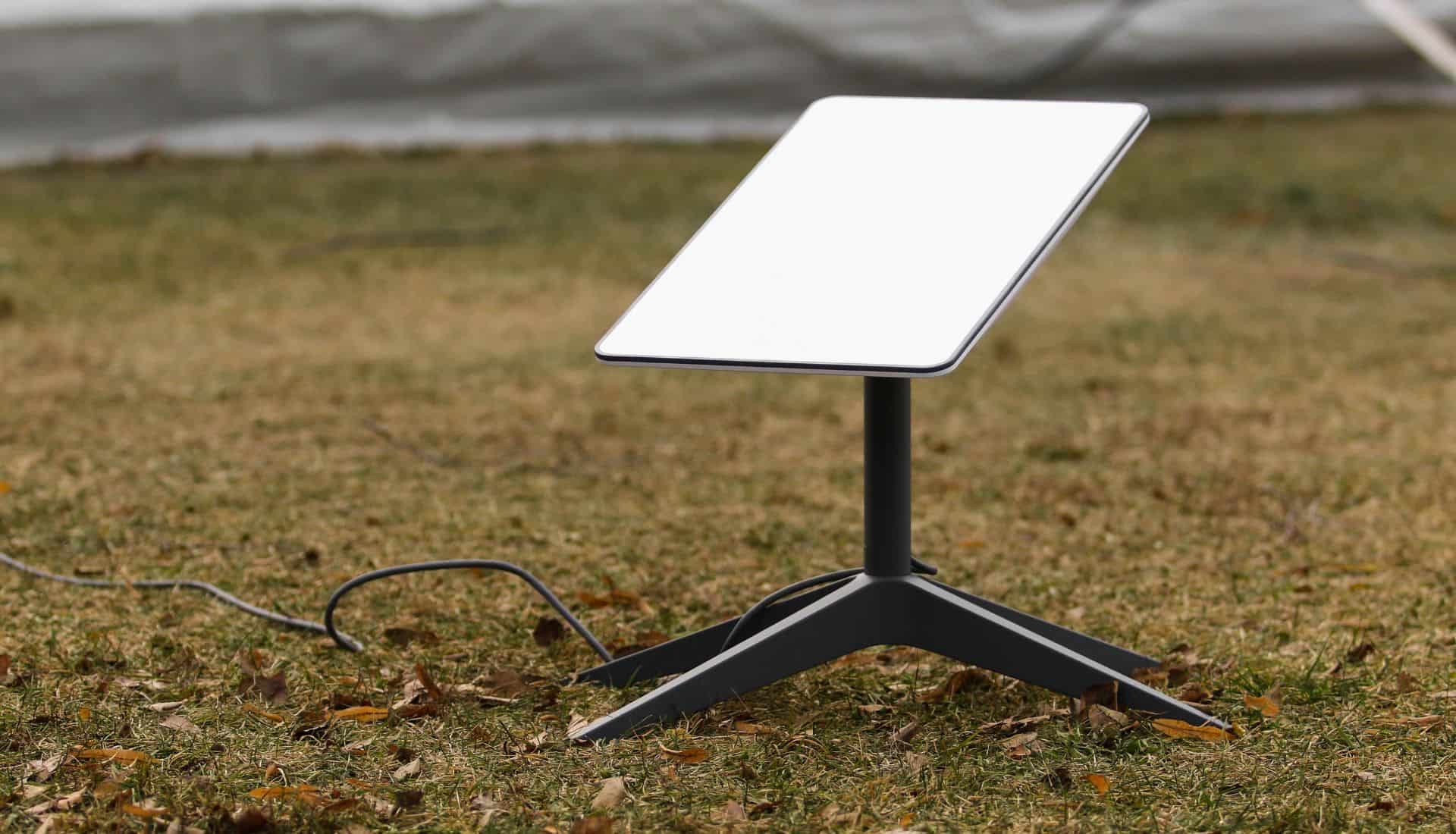
$139/month
Starlink transforms remote area connectivity but costs $139 monthly plus $924 for hardware. Mobile phone boosters like Telstra Go Repeater Pro ~$899 improve existing mobile signals for less money.
UHF radios provide safety communication in mobile phone dead zones. Quality units from GME or Uniden cost $300 to $500 but could save your life in emergencies.
Common Gear Mistakes to Avoid
Learning from others’ expensive mistakes saves thousands and prevents frustration. Here are the most common gear regrets from experienced Big Lappers.
The False Economy Trap
Cheap gear that breaks or performs poorly costs more than quality gear bought once. A $50 camp chair that collapses after three months becomes a $200 chair when you buy four replacements.
Examples of false economies:
- Cheap solar panels: Lower efficiency means buying more panels later
- Basic inverters: Modified sine wave units damage sensitive electronics
- Discount tyres: Poor wear patterns and early replacement cost more long term
- Generic batteries: Shorter lifespan and unreliable capacity readings
Gear You’ll Never Use
Marketing targets fear: “What if you need this in an emergency?” Reality check: if you didn’t use it weekly at home, you won’t use it on the road.
Common unused purchases:
- Elaborate toolkit for non mechanical people
- Specialty cooking appliances used once
- Emergency gear for scenarios that never happen
- Recreational equipment that collects dust
- Backup versions of reliable equipment
Don’t buy gear to solve problems you don’t have yet. You can purchase most items on the road when you actually need them.
Bulky Gear Without Purpose
Caravan storage space costs approximately $1,000 per cubic metre when you calculate purchase price. Every item must justify its space.
Space wasting culprits:
- Single purpose kitchen gadgets
- Oversized furniture that doesn’t pack efficiently
- Duplicate items “just in case”
- Seasonal gear for climates you won’t visit
- Entertainment gear with limited use
The Right Buying Mindset
Successful gear selection requires the right mental framework. Fear based buying leads to overpriced clutter. Strategic buying creates reliable, comfortable systems.
Don’t Shop from Fear
Australia has shops. Big Lappers regularly stock up in Cairns, Darwin, Broome, Alice Springs, and countless smaller towns. You’re not heading to Antarctica.
Buy what you need for the first few weeks, then adjust based on real experience. Many items seem essential until you realise you never use them. Pack light and adjust as you go. You’ll figure out what matters by doing, not guessing.
Prioritise Daily Use Comfort
Items you use daily deserve premium investment. Things you might use monthly can be basic quality. Gear for theoretical emergencies should be minimal.
Daily use priorities:
- Mattress and pillows
- Camp chairs and table
- Fridge and cooking equipment
- Power and lighting systems
- Climate control
Multi Use Equipment
The best gear serves multiple purposes. A quality camp table works for cooking, dining, games, and laptop work. A good knife handles food prep, package opening, and basic cutting tasks. Some Lappers swear by the notion that things should have more than one use. Carry the basics in your toolkit, such as a socket set, tyre repair kit, and screwdrivers, but leave the rest unless you’re mechanically handy.
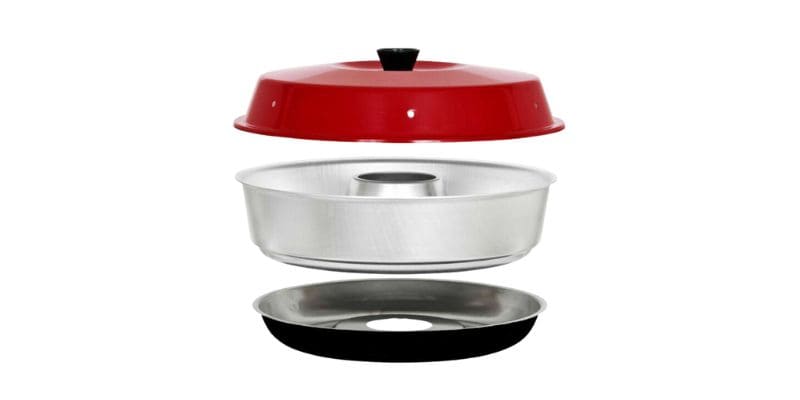
~$89
Ask Real Travellers
Instagram influencers get free gear and earn commissions. Their recommendations might not reflect long term reliability or value. Seek advice from travellers who bought gear with their own money and used it for months.
Best information sources:
- Facebook groups with active, experienced members
- Caravan shows where you can touch and test equipment
- Dealerships with honest staff (rare but valuable)
- Campground conversations with current Big Lappers
- YouTube channels by genuine long term travellers
- Spend quality money on daily use essentials: power systems, refrigeration, sleep comfort, and connectivity
- Save on items where function doesn’t improve with price: cleaning supplies, basic kitchen tools, and camp accessories
- Avoid false economies where cheap gear breaks quickly or performs poorly
- Don’t shop from fear. You can buy most things on the road when you actually need them
- Prioritise multi use equipment that serves several purposes efficiently
- Ask real travellers who bought gear with their own money, not influencers with sponsorship deals
- Your travel style determines what’s worth buying. Honest self assessment saves money and space
Comment (0)